
Chasing 100 Million Fans: The Business Logic of Rwanda's New F1 Track
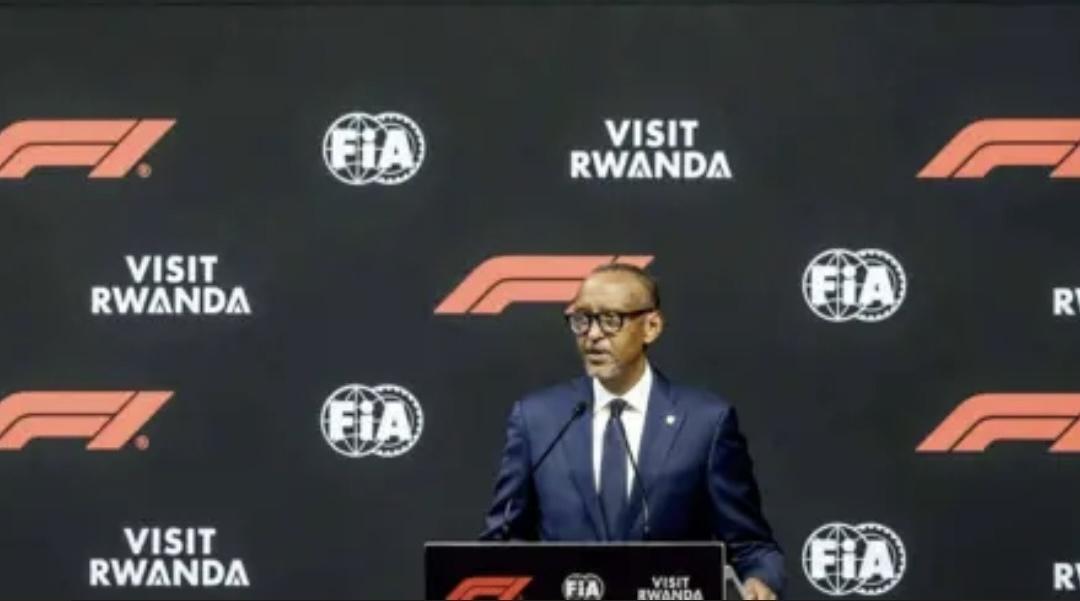
Formula 1’s 10-year deal with Rwanda represents a major geopolitical and commercial shift. By securing this contract, the sport returns to the African continent for the first time since 1993.
F1 owner Liberty Media chose Rwanda over traditional markets like South Africa and Morocco because Kigali presented one unified, fully funded development plan rather than fragmented, competing promotional bids.
The financial engine driving this project is a massive £3.5 billion ($4.5 billion) five-year private capital initiative . By strategically blending private equity with state development resources, the project aims to shield standard international aid budgets from the steep costs of hosting. This capital will construct a world-class entertainment and sports hub in Bugesera. The centerpiece is a 6-kilometer circuit featuring severe 200-meter elevation changes designed to challenge modern drivers.
Beyond structural costs, the ongoing hurdle involves F1's premium annual hosting fees. While exact contract figures remain confidential, global racing trends dictate that new venues outside Europe must pay top-tier rates to secure a spot on the crowded calendar.
Economically, the investment targets an untapped consumer base of 100 million people across East Africa. By anchoring the race near a new international airport, Rwanda plans to transition its regional economy toward high-margin luxury tourism, hospitality, and tech innovation.
For F1's leadership, the business logic sets a clear precedent for the modern era: centralized financial backing and aggressive infrastructure integration now matter much more than legacy racing history.
By Barbara Cardilli – Motorsport & Lifestyle Expert
Image Credit to@F1