
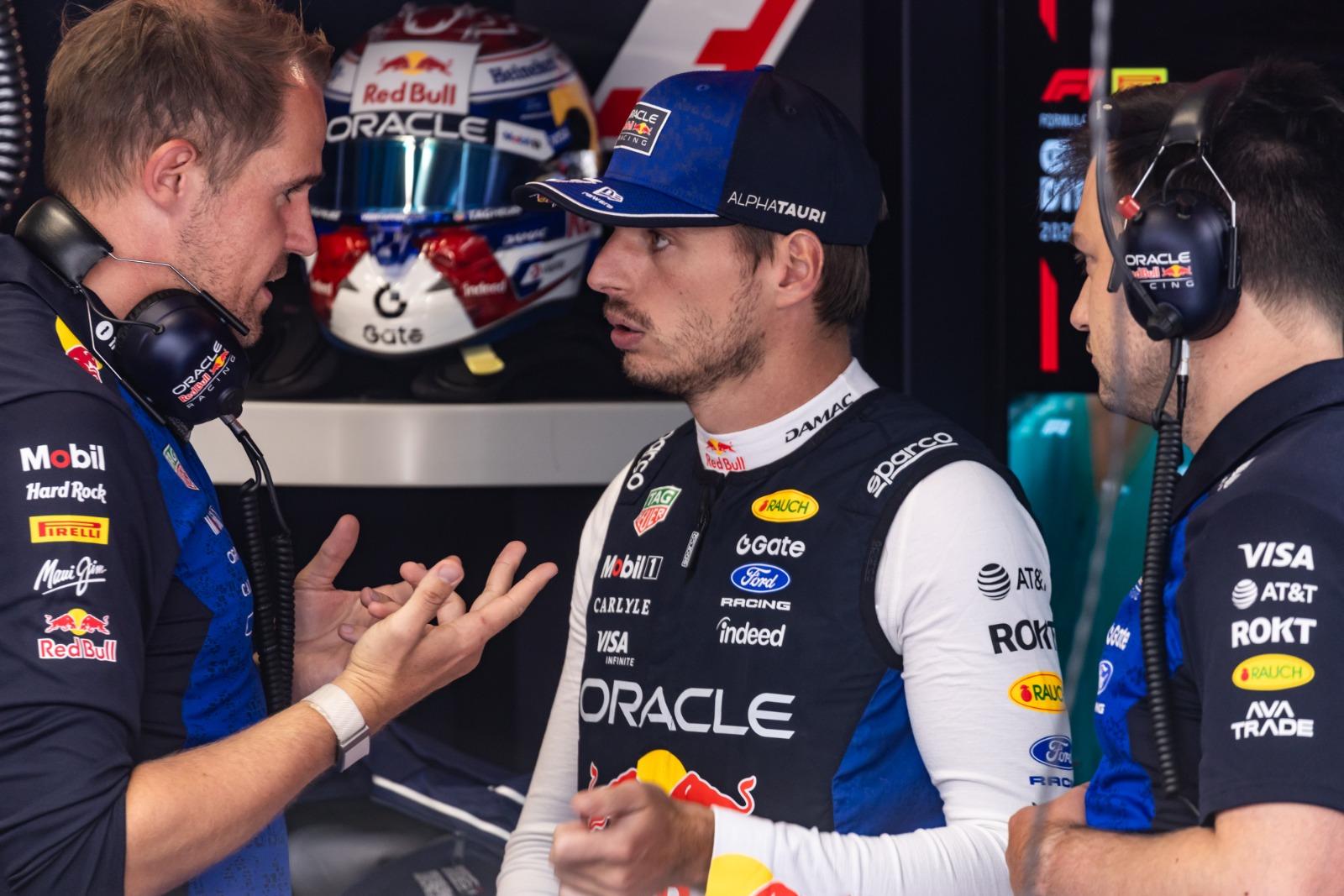
Red Bull’s Floor Fix: How Max Found His Groove in Malaysia
Formula 1 returned to the famous Sepang circuit for the first time since 2017, and Red Bull immediately stole the spotlight. Max Verstappen claimed his very first pole position of the season, dominating the tropical Malaysian heat. After starting the year with a car that was half a second slower than Mercedes, Red Bull introduced a crucial aerodynamic upgrade centered around a redesigned floor.
In racing, the floor is vital because it generates "ground effect" downforce, sucking the car closer to the tarmac. A well-designed floor provides a stable balance, which means the car behaves predictably through both fast and slow curves.
This predictability keeps the tires from sliding, preventing them from overheating on Sepang’s notoriously rough asphalt. Verstappen’s car now looks beautifully "connected," giving him a massive advantage in managing tire wear during Sunday's grueling race.
Meanwhile, Lewis Hamilton secured a brilliant second place on the grid, reviving memories of past title fights. Despite his front-row start, Hamilton admitted that chasing Verstappen will be incredibly tough.
Over at Mercedes, things are more complicated.
Championship leader Kimi Antonelli will start third after Red Bull's Isack Hadjar took a grid penalty. Mercedes brought their own aerodynamic upgrade to Malaysia, but they are struggling to understand it. While their car is blisteringly fast in high-speed corners, it loses too much time in slow turns.
In the roasting heat, strategy will be key. Teams are expecting multiple pit stops, and drivers will rely heavily on the "undercut" pitting early for fresh tires to bypass rivals who stay out on worn rubber.
All is set for tomorrow.
By Barbara Cardilli – Motorsport & Lifestyle Expert
Image credit to: @CBAimages